
Where Dublin City Directories Survive
Dublin's historical directory trail is spread across county inventories, a digitized 1894 volume, later criss-cross books, telephone directories, and research collections outside the city. The first useful question is not whether an Alameda County volume exists, but whether that particular issue names Dublin, Dougherty Station, or Murray Township. Publishers changed over time, and a county label does not prove that Dublin appears in every issue.
| Collection | Years | Where Held | Access |
|---|---|---|---|
| Murray Township county directory | 1870 | SFgenealogy inventory | Verify the volume and township coverage |
| Murray Township business directory | 1876 | SFgenealogy inventory | Area context, not a guaranteed Dublin list |
| Husted's Oakland, Alameda and Berkeley Directory | 1894 Dublin section | Internet Archive and SFPL | Digitized scan; read the Dublin heading |
| Alameda County directory inventory | 1869, 1874-77, 1880, 1884-85, 1887, 1889-90, 1892-93, 1903-07, 1909-13, 1915, 1922-28, 1930, 1933-35, 1937-41, 1967, 1969 | SFPL | Check Dublin in each volume |
| Haines East Bay and Southern Alameda criss-cross | 1973-82 and 1984-2019 | Oakland History Center | In person; 1983 is a gap |
| Oakland-area telephone directories | 1924-2007, 2009-13; selected 1914, 1916, 1920-23 | Oakland Public Library | Confirm Dublin coverage by issue |
The 1870 and 1876 entries describe the area through Murray Township. The 1894 Husted section is the clearest named Dublin proof. Later books may carry a wider East Bay or Southern Alameda scope, so a researcher should mark the exact volume, heading, and place label instead of treating every county row as a Dublin household.
The inventory names Oakland News Office, Langley, Bishop, Husted, Polk-Husted, and R.L. Polk among the publishers and imprints. That list shows why a title search should include publisher changes, alternate county names, and the issue date. A catalog hit identifies a volume to inspect; it does not replace checking the pages for Dublin.
The 1894 Dublin City Directory
The Husted volume gives Dublin a distinct heading and adds the note “Also called Dougherty Station.” Its short introduction places the settlement on the mountain road from Haywards to Pleasanton, with a post office and Sunset Telephone Telegraph office. The entries read more like a rural business and occupation list than a modern street roll. Green John is listed as postmaster, general merchandise operator, and proprietor of the Amador Valley Hotel. Other entries name McDermed Jos E, Murray Daniel, Wells John T F, Flanagan John, Roscoe Chas, Donlon John, Fallon Wm M, and Reimer Claus, alongside farmers, a sheep raiser, a teacher, a blacksmith, a clerk, and a hotel keeper.
The digitized Husted 1894 directory scan preserves both the Dublin heading and the surrounding page context. That context matters because a surname search without the place heading can pull in Oakland, Alameda, Berkeley, or another locality.
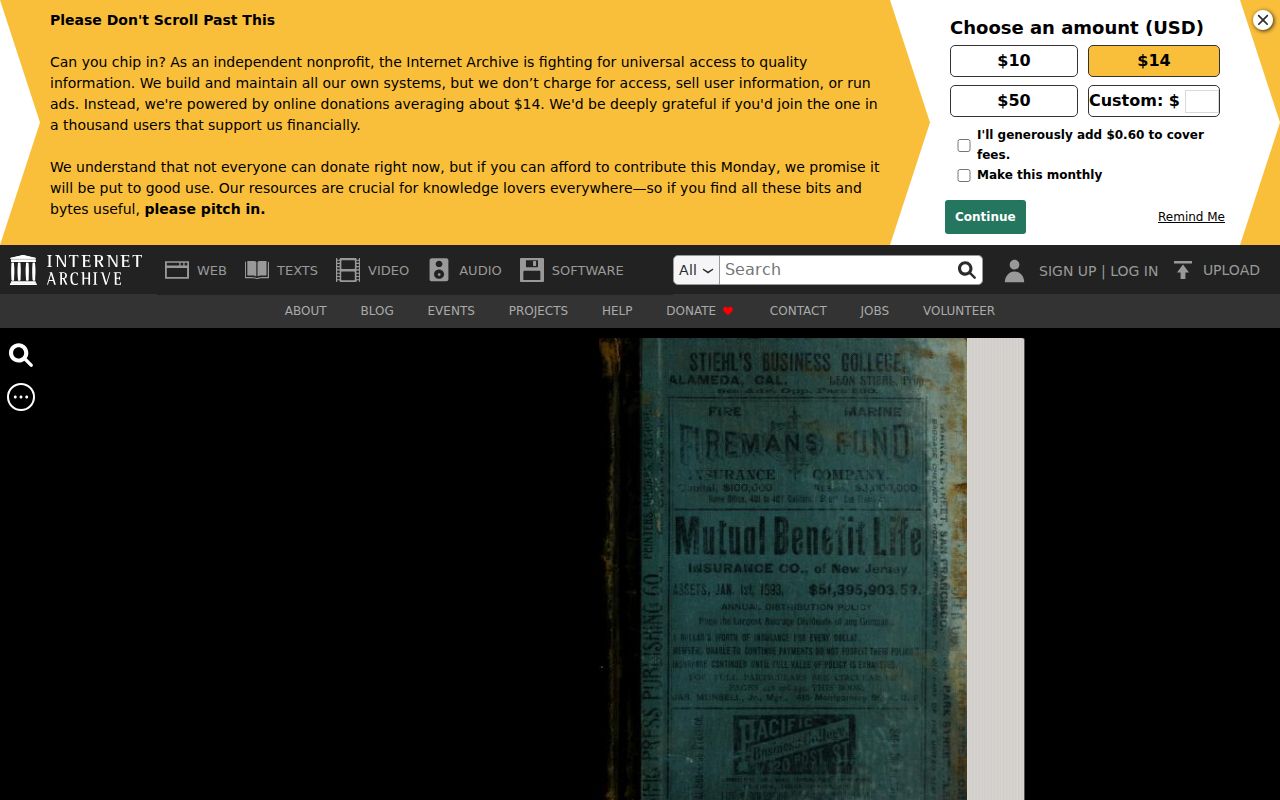
The rural format supplies a useful local clue while also showing what the 1894 Dublin city directory cannot supply: it has no normal Dublin street number, spouse notation, telephone number, or household status mark.
How to Read a Dublin Directory Entry
A Husted entry should be transcribed field by field. Preserve initials, spelling, occupation, and the named business before trying to connect the person to a later address. The sample inventory below reflects the inspected 1894 Dublin material, not a generic promise about every later directory.
| Name | Surname followed by given name or initial, such as Green John. |
|---|---|
| Occupation | Trade or civic role, including postmaster, farmer, teacher, or blacksmith. |
| Business or office | Some entries add a store, hotel, office, or establishment, as Green's entry does. |
| Address | Dublin or Dougherty Station locality; the rural section does not give a normal street number. |
| Household status mark | Not shown in the inspected 1894 entries, so none should be inferred. |
- Criss-cross directory
- An address-first section that lists a person or business by street location. Haines is the verified later Dublin-area example.
- Householder index
- An index organized around household heads when a volume provides one. The 1894 rural section does not show a separate householder index.
- Abbreviation key
- The volume's short-form guide. In the sample, “gen mdse” means general merchandise, “propr” means proprietor, and “bksmith” means blacksmith.
Dublin Directory Help at the Library
Dublin Library and Heritage Center provide local-history starting points, but the verified collection is not a proven shelf of every directory type. The library has local books and an extensive newspaper-clipping collection, and its contact is 200 Civic Plaza, 925-803-7252. The first branch opened in 1914 in the Donlon Way general store, bookmobile service followed in 1948, and later branches opened in 1966, 1970, and 2003.
The Calisphere Dublin Heritage Park collection is documented through the Dublin Library local-history page and contains the joint project's 200 digitized museum photographs. For local-history help, confirm current library hours and the catalog status of any directory, reverse directory, telephone book, yearbook, or obituary run before relying on a shelf claim.
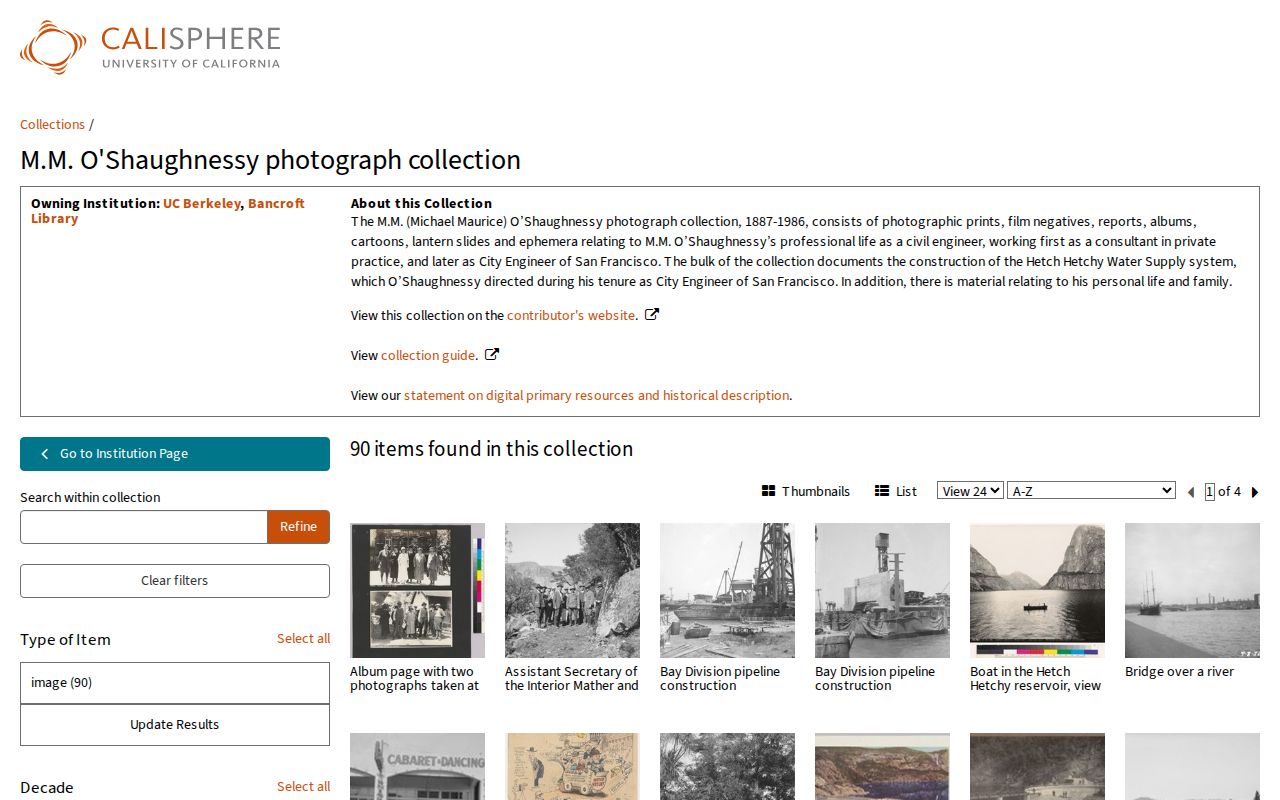
The photographs are useful name and landmark clues, but an image collection is not a substitute for a dated directory entry. Oakland History Center and California Genealogical Society fill important gaps when a local shelf does not.
Haines Directories for Later Dublin
For address-first research, the Haines East Bay and Southern Alameda criss-cross run covers 1973-82 and 1984-2019, with a documented 1983 gap. Oakland History Center holds these volumes for in-person use. Its family-history service offers two searches per month, a phone or email response around three business days, and a mailed response in one to three weeks. The center also holds Alameda County census material from 1870-1960 and voting registers from 1867-1944.
Telephone directories add another bridge: Oakland-area issues run from 1924-2007 and 2009-13, with selected digitized issues from 1914, 1916, and 1920-23. Confirm Dublin in the issue itself. California Genealogical Society adds directories, manuscripts, vertical files, FamilySearch Affiliate access, and an Alameda County obituary-form index for 1968-77.
Dublin City Portals Are Not Directories
Dublin's municipal records can explain a name, building, council action, or address change, but they do not turn into a public resident roll. The City Clerk keeps official city records, while Laserfiche WebLink exposes ordinances, resolutions, Council and commission agendas and minutes, and disclosures. A focused California Public Records Act (CPRA) request can identify a date range, address or APN, department, record series, and attachments when the needed file is not posted.
The Dublin Laserfiche records portal shows why municipal context and a city directory should be kept separate. The portal is a useful document shelf for civic history, not proof that a named person lived at an address.
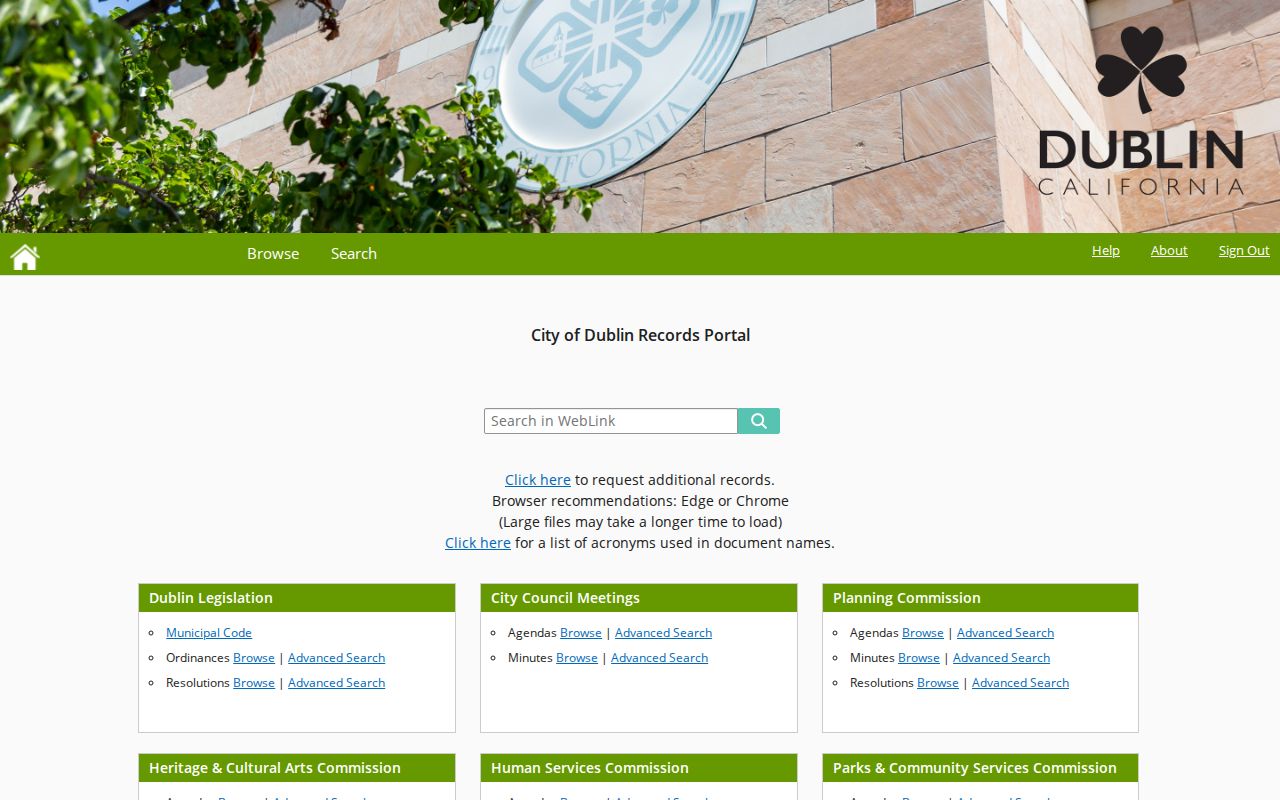
For current parcel or street work, the address-keyed records belong with GIS, assessment, deeds, and permits rather than with the historical directory collection.
Pair Dublin Directories With Census
The newest open federal census is 1950 under the 72-year rule. NARA San Francisco and library databases provide census, naturalization, passenger, draft, pension, and Chinese Exclusion Act sources. A directory year can show a trade or locality; a census schedule can add household members and enumeration context. Neither should be treated as a direct statement about a person's present location.
Use a short, repeatable trail:
- Search Dublin, Dougherty Station, and Murray Township along with the surname.
- Transcribe the entry, occupation, business, and every spelling or initial.
- Compare the closest directory years and note whether the locality label changes.
- Pair the entry with the nearest available federal census and compare relatives, age, trade, and geography.
- Bridge later gaps with Haines, telephone books, deeds, newspapers, obituaries, or cemetery evidence.
A disappearance can mean a move, death, a change of listing, or a gap in the run. The surrounding evidence decides which explanation fits.
Dublin's 200-Image History Project
The local photograph project names the Kolb, Tehan, Murray, Reimer, and Fallon families and records landmarks such as Old St. Raymond's, the Green Store, and Murray School. Those anchors can sharpen a directory search when a surname is common or the OCR misses an abbreviated occupation. Murray Schoolhouse museum is at 6600 Donlon Way and is open Tuesday and Thursday from 4 to 8 and Saturday from 9 to 2; admission is free and the listed phone is 925-452-2100.
The Dublin data and demographics resource supplies modern civic context for the changing place, while the official history of Dublin explains the rancho, crossroads, military, suburban, and incorporation eras. The Calisphere Dublin Heritage Park collection preserves the image trail.
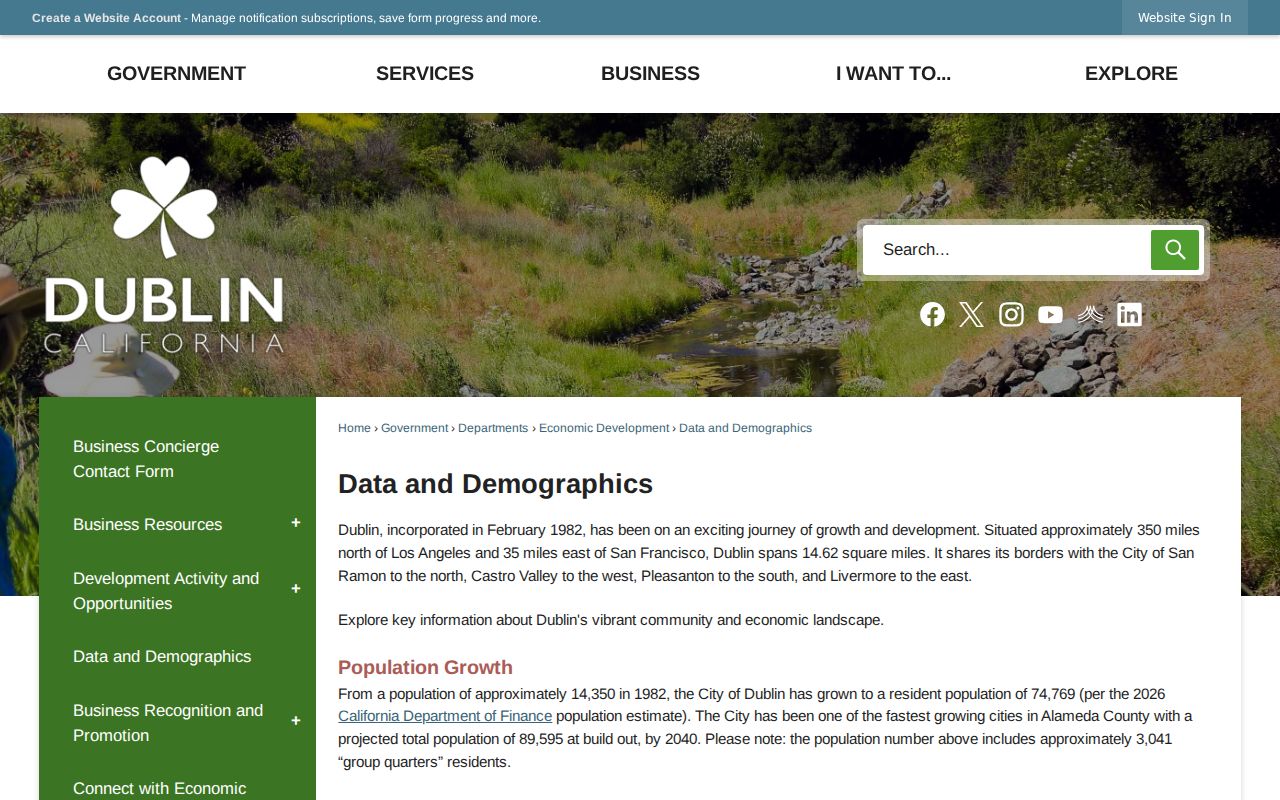
Family names and landmarks help connect a dated directory clue to place history without claiming that every photographed person appears in a directory.
Dublin Genealogy Collections Beyond Directories
California Genealogical Society at 1841 Berkeley Way adds directories, manuscript and vertical files, FamilySearch Affiliate access, and an all-name index to Alameda County obituary forms from 1968-77. Its material is a research aid, not proof that a particular Dublin volume is complete.
NARA San Francisco supplies census, naturalization, passenger, draft, pension, and Chinese Exclusion Act files. FamilySearch collections include California County Naturalizations from 1831-1985, a California Birth Index from 1905-95, Mountain View Cemetery records from 1857-1973, and probate estate images from 1833-1991. These collections can corroborate a directory clue when the listed occupation or locality is too broad to identify one person.
Use the local contact trail first, then note the collection name, date range, and access condition for each search.
Honest Gaps in Dublin City Directories
No verified Dublin Library shelf run proves a complete local city-directory, reverse-directory, telephone, yearbook, or obituary sequence. No authoritative Dublin Sanborn inventory was found either. The safe method is to ask the librarian or archive staff about the exact title and issue, then record what was checked and what was absent.
Searches should preserve the research gap instead of filling it with a guess. “Alameda County directory” is a catalog description, not proof that Dublin appears in every listed year. When the historical clue needs a modern person match, a Dublin resident lookup uses separate records and identity controls. For one address across time, the Dublin previous residents trail pairs deeds, directories, census, and probate rather than treating a single directory as final proof.
Keep the volume title, publisher, page, and locality in research notes so another researcher can repeat and check the search.
Note: A missing Dublin heading may reflect place-name changes, coverage limits, or an unverified volume, not proof that a household never existed.