
Dublin Sources for Previous Residents
An address history works best as a sequence of sources, not as a single resident list. Deeds establish recorded transfers, the assessment roll supplies a parcel and an ownership lead, and directories or census schedules add evidence about people associated with the place. Each source has a different cutoff and access rule.
| Source | Years It Covers | Where Held | What It Shows |
|---|---|---|---|
| Alameda recorded documents | 1853-present | Alameda County Clerk-Recorder | Deeds, liens, easements, maps, parties, and legal descriptions |
| Electronic recorder index | 1969-present | Official Public Records portal and office | Names, instrument number, date, type, and index status; no image online |
| Assessment roll and transfers | Current; transfer list for two prior years | Alameda Assessor kiosk, phone, email, or counter | APN, offline owner lead, situs, values, exemptions, and use |
| Dublin parcel layer | Current and dynamic | Dublin GIS viewer and REST service | APN, situs, mailing fields, latest document, and building facts |
| Haines criss-cross directories | 1973-82 and 1984-2019 | Oakland History Center | Address to listed person or business; 1983 gap |
| Alameda County and Husted Dublin directories | 1869-1969 inventory; 1894 named Dublin section | SFPL and Internet Archive | Historical names and occupations; check Dublin volume by volume |
| Federal census | 1870-1950 open schedules | NARA and library databases | Named historical households and enumeration context |
| Dublin CSS and address files | CSS from July 5, 2024; older files by request | City of Dublin | Projects, applicants, inspections, and assigned addresses |
Use the recorder and assessor for a present Dublin parcel trail, Haines for the later address layer, and older directories or census schedules for historical occupancy clues. The Dublin record type, not the word alone, determines where the search belongs.
Dublin Parcel Clues for Past Residents
Start with Alameda County Assessor Property Assessment Information, also called Alameda Property Search, or its tax search and enter a standardized address. Select the autocomplete suggestion, save the APN, then check Dublin GIS for spatial continuity. The Dublin GIS parcel service exposes APN, book, page, parcel and subparcel fields; Dublin SitusAddress and ZIP+4; Dublin MailingAddress and ZIP+4; LatestDocument_Prefix, LatestDocumentSeries, and LatestDocumentDate; building, lot, use, exemption, and value fields. Owner name is not exposed in the online parcel layer.
| APN | Parcel identifier such as 123-345-67, with dashes and no leading zeroes in the tax search. |
|---|---|
| SitusAddress | The mapped location of the parcel, not a household list. |
| MailingAddress | The tax correspondence destination, which can differ from the situs. |
| Latest document | Prefix, series, and date that help target a recorder inquiry. |
| Physical fields | Effective year, year built, building area, lot size, rooms, units, and related parcel facts. |
Compare Dublin situs and mailing fields, but do not treat either as proof of who lives there. The Dublin Assessor's owner route is offline or limited: phone 510-272-3787, AssessorWebResponse@acgov.org, written request, Oakland kiosk, or the Dublin satellite at 7600 Dublin Blvd., Suite 270.
Dublin Deed Chain for Previous Residents
Once an ownership lead or latest instrument is known, the Dublin deed chain in Alameda County can move backward. The recorder index searches party names, instrument number, recording date, and document type. It does not search by street address or APN, so the Dublin APN and legal description must be used to test whether a name match belongs to the same parcel.
- Save the current Dublin APN, situs, mailing fields, and latest-document identifiers from the property and GIS systems.
- Obtain the Dublin owner lead through the permitted Assessor phone, email, written, kiosk, or counter channel.
- Search the Dublin recorder for the owner's name or instrument, then inspect date, type, associated name, and party role.
- Read the deed's legal description and references, and use the current grantor as the next earlier grantee.
- Repeat backward while comparing the legal description, APN references, dates, and namesake controls.
- Grantor and grantee
- The grantor transfers an interest; the grantee receives it. A trustee, lender, or lien claimant is not automatically an occupant.
- Chain of title
- The linked sequence of recorded transfers that connects one interest to an earlier interest.
- Legal description
- The parcel description used in the instrument. It is a stronger continuity test than a changing street label.
- Criss-cross directory
- An address-first listing of a person or business, useful for the household layer but not a deed record.
Crossing Dublin's 1969 Deed Index Line
Dublin's Alameda recorded-document trail runs from 1853 to the present, but the electronic index begins in 1969. Records from 1853 through 1968 require an in-person search at 1106 Madison Street in Oakland. Online results are index references, not deed images. A typical row shows instrument number or Book/Page, Date Filed, Document Type, indexed Name, Associated Name, party-role or index-status codes, and row or page counts.
Dublin images remain office-only under Government Code §7928.215. Online, mail, and counter copy channels differ: mail requests need an instrument, book-page, or reel-image reference, a payment instrument, and a stamped return envelope. The research notes plain copies at $3.50 per page and certified copies at $4.50 for the first page plus $3.50 for each added page. Mail copy requests generally take 5-10 business days.
Note: The 1969 cutoff marks electronic indexing, not the beginning of Alameda land records, which reach back to 1853.
Dublin Haines Records for Past Households
Haines provides a verified address-to-listed-person source for the suburban Dublin era. Oakland History Center holds East Bay and Southern Alameda volumes for 1973-82 and 1984-2019, but no 1983 issue is documented in the research. Use the exact Dublin address, then record the name, business label, and volume year. Treat a directory listing as historical evidence tied to that issue, not as a current status.
For the collection descriptions and publisher context, the Dublin city directory collections page keeps the historical shelf separate from the deed chain. Oakland History Center's family-history service offers two searches per month, phone or email response around three business days, and a mailed response in one to three weeks.
Dublin Directories Meet the 1950 Census
Dublin directory entries and census schedules answer different questions. The 1950 federal census is the newest open census under the 72-year rule. Pair it with the closest directory year, then compare names, ages, relatives, occupations, and geography. The 1894 Husted Dublin section adds “Also called Dougherty Station,” while older references may use Murray Township, so the place label belongs in the search notes.
- Search the surname with Dublin, Dougherty Station, and Murray Township.
- Transcribe initials, occupation, business, locality, and spelling before comparing people.
- Set the directory date beside the nearest available census schedule.
- Use Haines, telephone issues, deeds, newspapers, obituaries, or probate to bridge later gaps.
- Keep a source date for every name so previous residents are not merged across decades.
A Dublin directory disappearance can reflect a move, death, a changed listing, or a missing issue. Evidence from a second source decides which explanation is sound for the Dublin household trail.
Dublin Permits and Address Files
Dublin's Citizen Self-Service system launched July 5, 2024 for building and public-works permits, planning and fire applications, business licenses, payments, inspections, approvals, and document exchange. Search results can connect a parcel or project to an applicant, developer, contractor, or inspection, but that role does not establish residence. Older material may sit outside CSS.
Use the Dublin CSS gateway for the current system, then request legacy files through the Dublin public-records request channel. Address applications under DMC §7.08 connect a proposed number to an APN or tract and plans. No verified Dublin Sanborn years or citywide historical renumbering year was found, so deeds, subdivision maps, address assignments, Haines, census, and permit files are safer continuity tools.
Dublin Obituaries and Probate Endpoints
When a former Dublin resident died, obituaries, probate files, and cemetery records can close the household trail. Dublin probate may identify an executor or heir, while the Dublin Pioneer Cemetery explorer connects historical surnames to more than 600 memorial locations. Use those clues to test a relationship, not to infer a current household.
The Alameda County vital-record route handles Dublin-area birth, death, and marriage certificates. California registration begins in July 1905. Authorized copies require eligibility; informational copies are marked not valid to establish identity, and confidential marriage copies are restricted under Family Code §509.
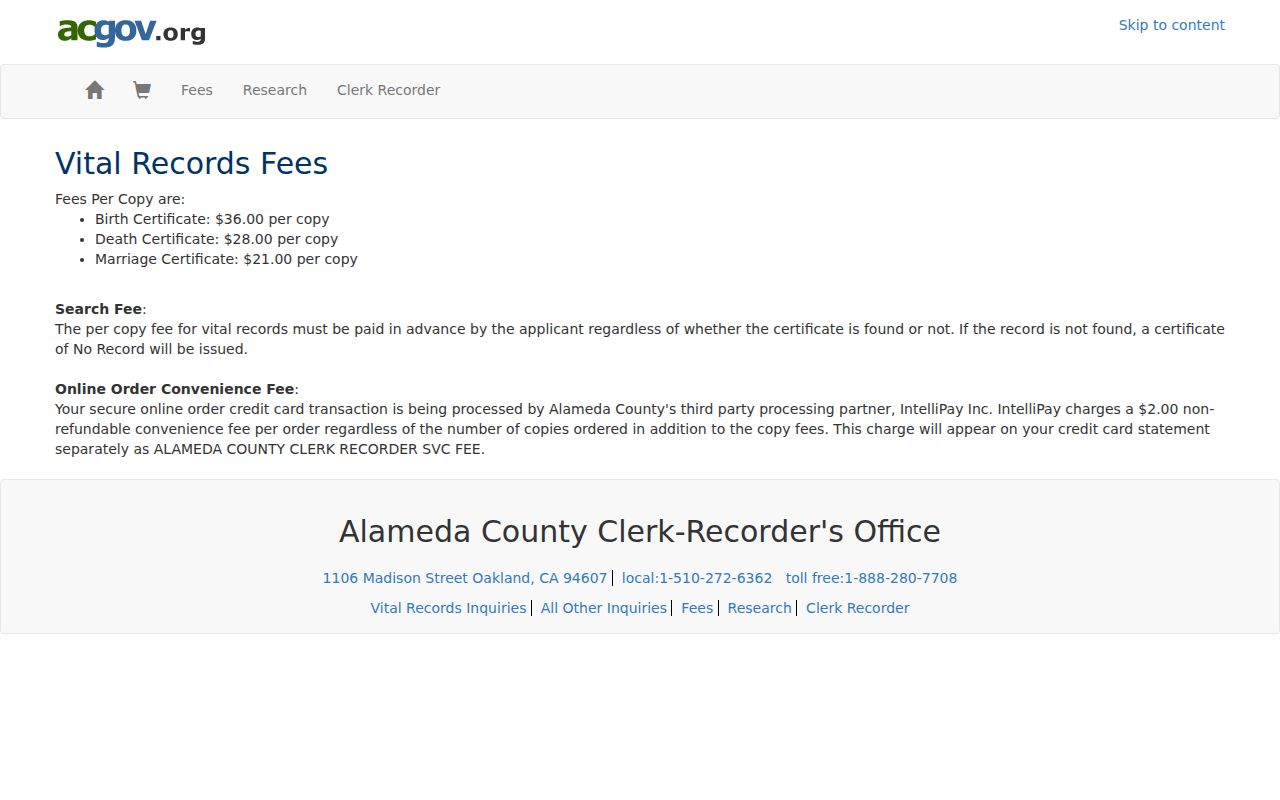
The vital-record access image points to an endpoint with its own eligibility rules. A certificate can confirm an event, but it does not by itself prove that the person occupied the address in question.
Dublin Court and Federal Case Trails
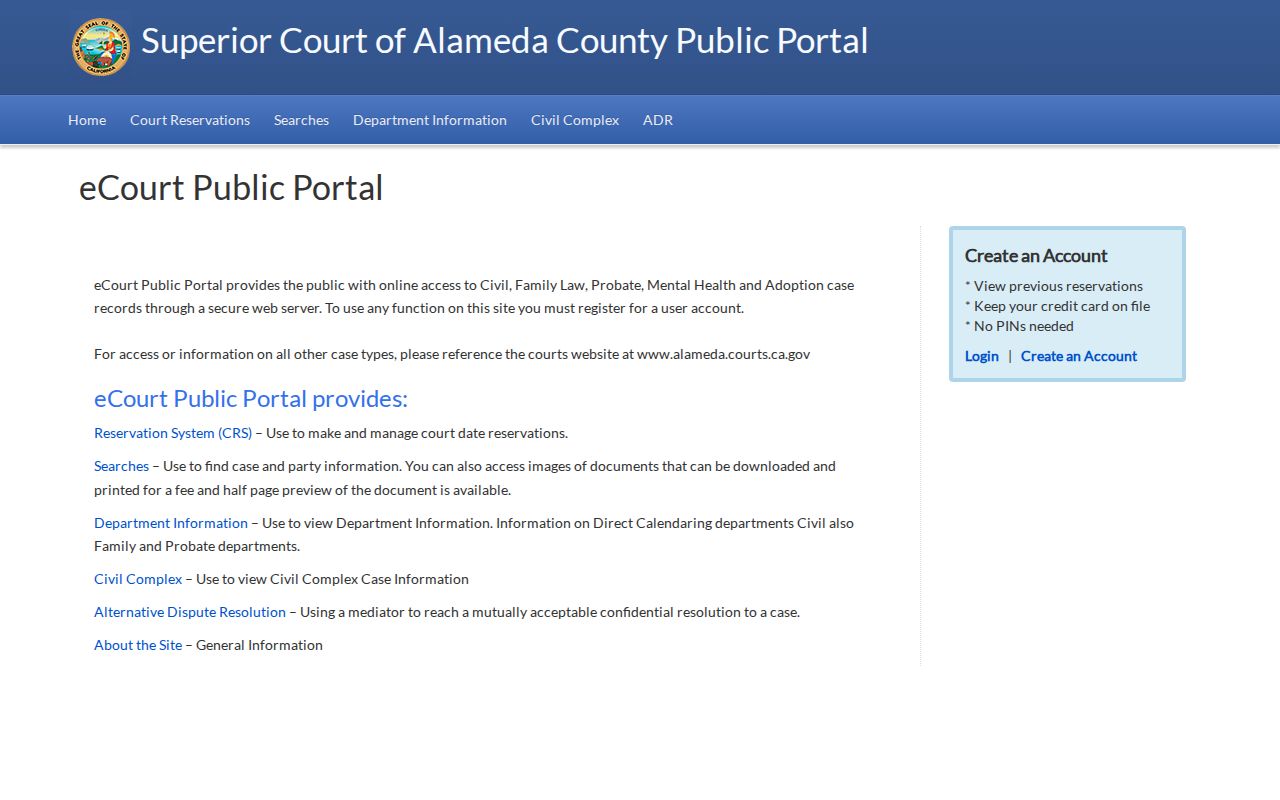
Superior Court of California, County of Alameda records can add a Dublin probate, civil, or other case connection, but a party name is not proof of residence. Typical public index fields include case number, case title, party names and roles, case type, and filing date. A register of actions adds dated events and document titles. Sealed, confidential, juvenile, adoption, and other Rule 2.503-restricted material may not appear remotely.
The Alameda court portal image reflects the Dublin case-index route. Search with variants, then use case number, filing date, case type, party role, and disposition to separate namesakes.
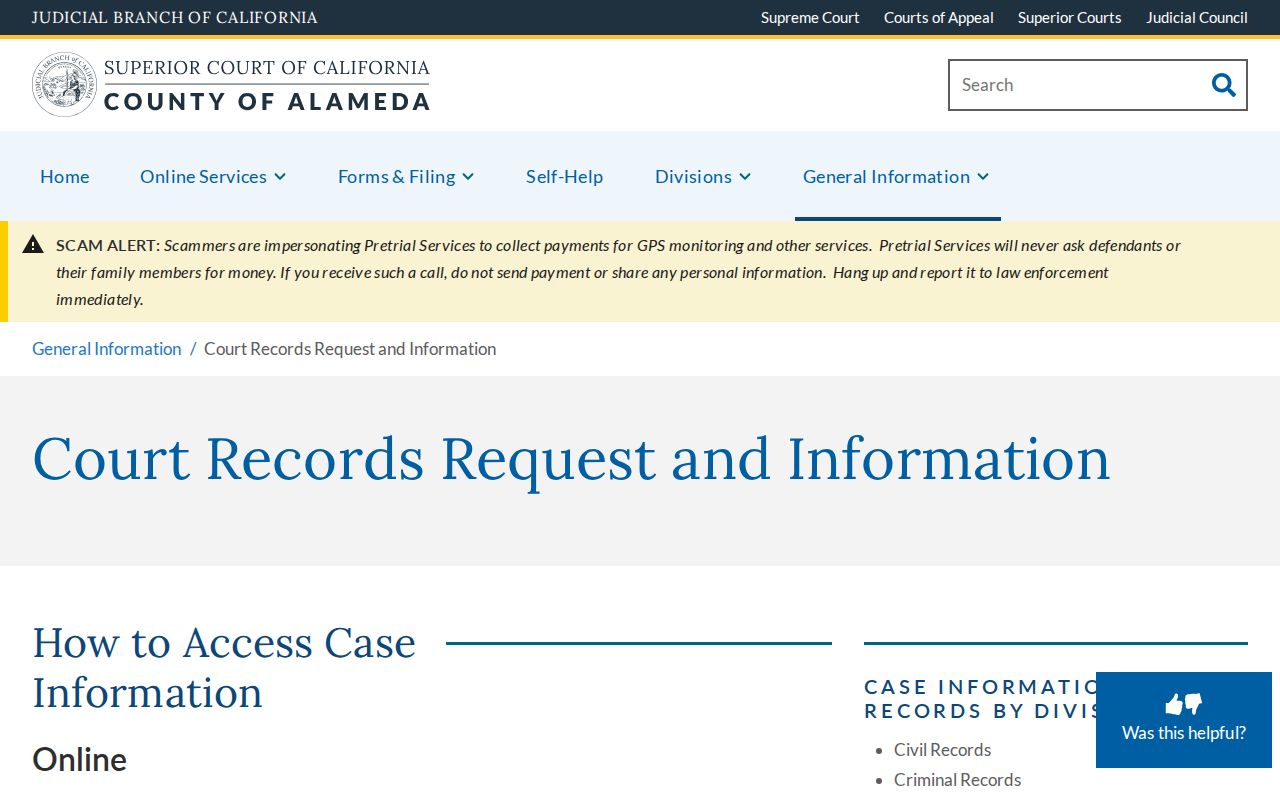
For request steps and counter or mail options, use the Alameda court records request information.
Federal matters connected to Dublin fall in the Northern District of California and use the PACER locator for case location and document access.
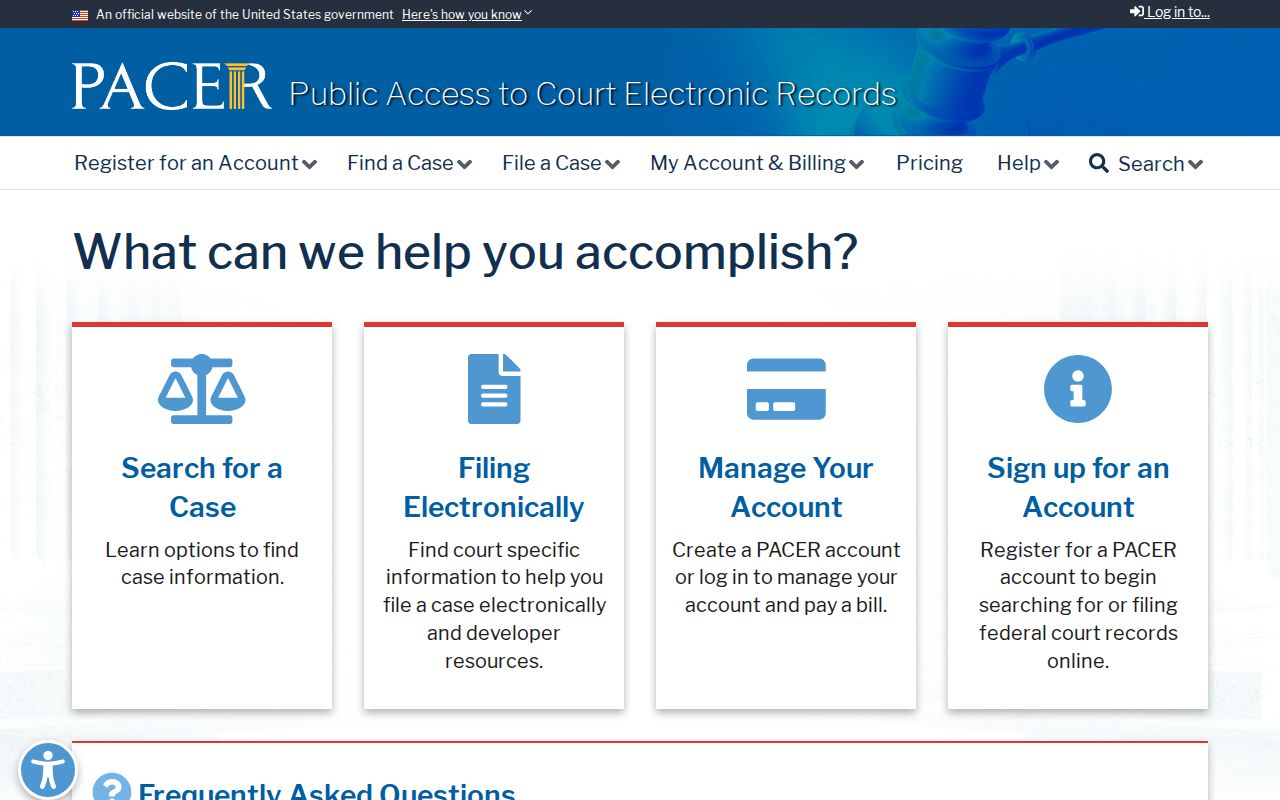
PACER is a separate federal trail. A docket mention establishes a court record connection, not liability, guilt, residence, or current status.
Dublin Boundary Eras and Old Addresses
Dublin was unincorporated until incorporation began February 1, 1982. Camp Parks was added in 1986, western additions brought the city to 8.46 square miles by 1991, and an eastern annexation began major growth in 1995. The city covered about 14.62 square miles by 2010. A Dublin parcel can therefore move from county planning and permit files into city records without changing the family's story.
The dedicated ZIP 94568 also dates to 1982. Earlier searches should test Dublin, Dougherty Station, Murray Township, Rancho San Ramon, and nearby county references. Keep the postal line, planning area, city limit, APN, and deed legal description as separate fields.
Dublin House Stories for Previous Residents
The Dublin Kolb buildings show why a building history and a parcel history can diverge. Freeway construction separated the farm from Dublin, land entered Pleasanton, and the family later donated buildings that were moved to Dublin Heritage Park. Record the original site, later jurisdiction, and present museum location instead of attaching every event to the modern museum address.
The Dublin Fallon house provides a different kind of gap. A 1976 fire-training exercise destroyed one of the last pioneer residences. That was a building loss, not a courthouse or record-book fire. Alameda official-record holdings still reach back to 1853, so the physical loss should not be used to invent a Dublin deed-index gap.
Lawful use. Previous-resident research belongs to house history, family history, genealogy, estate work, and personal curiosity. Do not use a record trail to follow, threaten, harass, or harm a living person.
Note: A deed transfer, directory listing, or court index entry is a dated clue; corroborate names, roles, and parcel identity before drawing a family or occupancy conclusion.